
A brand rarely loses overnight. It loses when the market cannot repeat the message, buyers cannot justify the choice, and the experience falls short.
Attention is fragmented, switching costs feel lower, and buyers research in public across feeds, reviews, and search results. Meanwhile, winning brands build memory, lower perceived risk, and stay consistent across every touchpoint, even as campaigns change.
The 2026 stats collection on NEWMEDIA.COM helps benchmark your brand across reach, trust, consistency, and customer experience. Use it to set realistic targets, pressure test decisions, and align priorities around the levers that drive growth.
Brand Awareness & Reach Stats
Unaided awareness in B2B categories often sits in the 5% to 20% range for most brands outside the top tier, which is why many teams start by tightening positioning through branding.
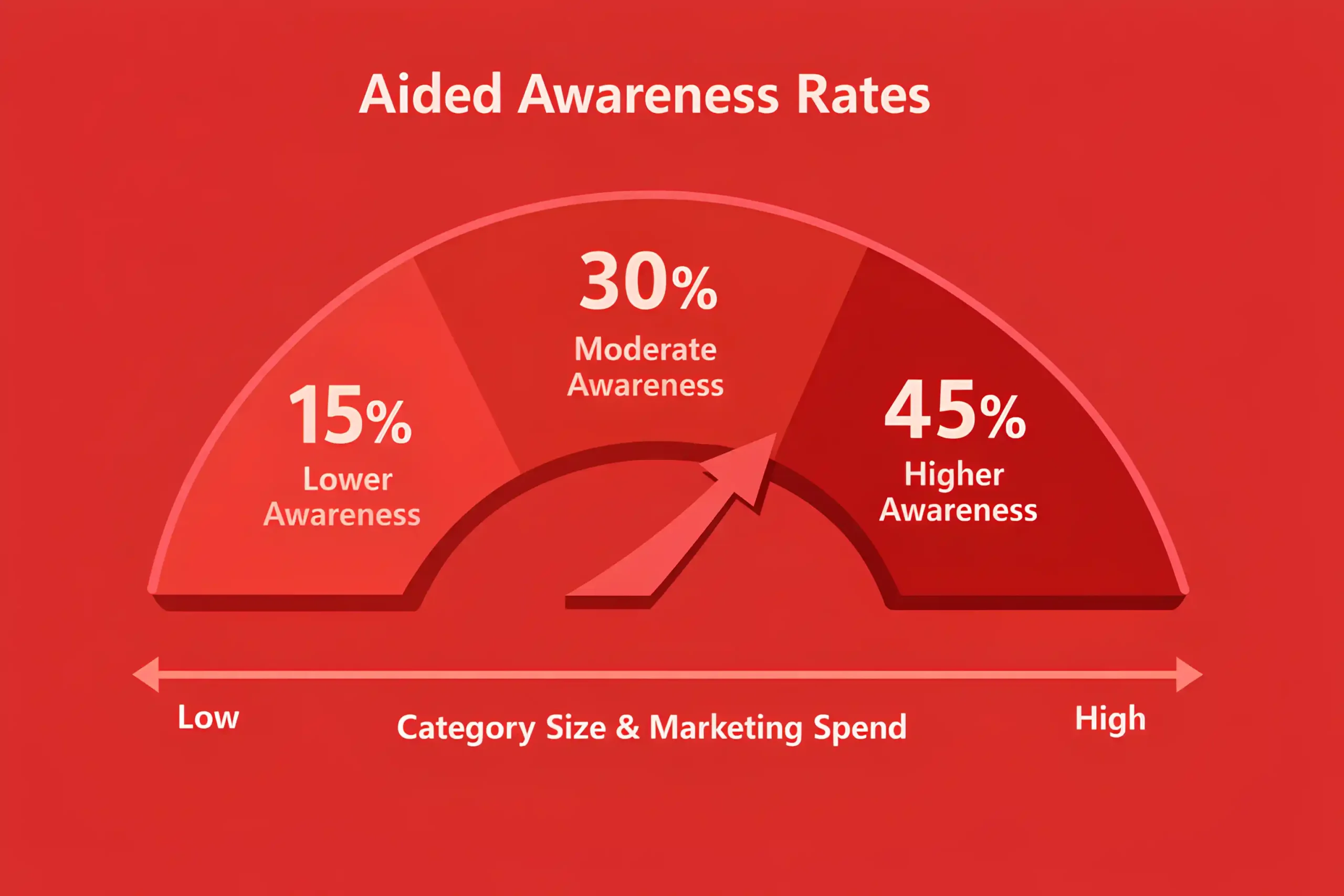
Aided awareness typically ranges from 15% to 45%, depending on category size and spend levels.
Brand search demand often grows 5% to 20% faster than non-brand demand once consistent distribution is in place.
Share of voice gains of 5 to 15 points often show up before market share moves, especially in crowded categories.
The top channels usually drive most reach, and 2 to 4 sources often account for 70% to 90% of brand exposures.
Frequency matters, and recall often improves after 3 to 7 meaningful exposures within a short window.
Campaign lift on branded search commonly lands around 10% to 35% in the first 7 to 30 days when the message is clear, and earned credibility can accelerate that via a focus on digital PR.
Organic reach becomes more stable when branded demand rises, often reducing traffic volatility by 10% to 25%.
Brands with consistent category presence often see direct traffic growth of 5% to 20% over a quarter.
Top-of-funnel content programs often increase first-time site visits by 10% to 30% when distribution is steady.
Communities and newsletters can drive 10% to 30% of returning visits for brands with strong owned channels.
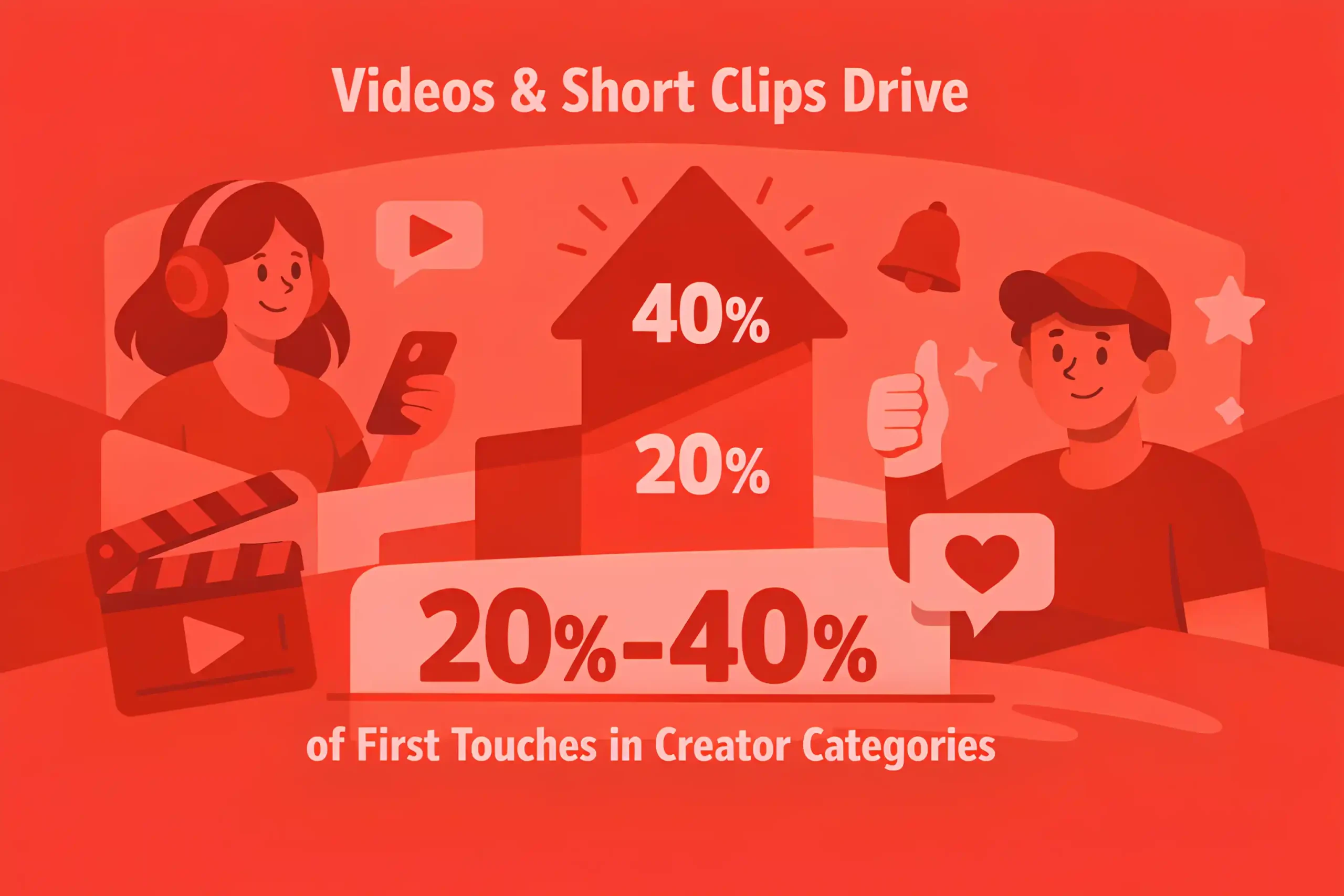
Video and short clips often drive 20% to 40% of first touches in creator categories.
A strong partner ecosystem can lift reach by 1.5x to 3x versus brand distribution.
Brands with clear positioning often see higher click-through rates on branded ads, commonly 10% to 25% better than peers.
Awareness improvements tend to lag creative changes by 2 to 6 weeks, not days.
Read also: 100+ Blogging Statistics
Brand Trust, Reputation & Credibility Stats
Trust is a conversion lever, and improvements often lift conversion rates by 3% to 12% on high-intent pages, especially with structured CRO.
Third-party proof, like reviews and credible mentions, often lifts lead conversion by 5% to 20% when placed near key CTAs.
Negative sentiment spikes can reduce branded conversions by 10% to 30% in the short term.
Response speed matters in reputation moments, and delays beyond 24 hours often correlate with 15% to 40% more negative coverage volume.
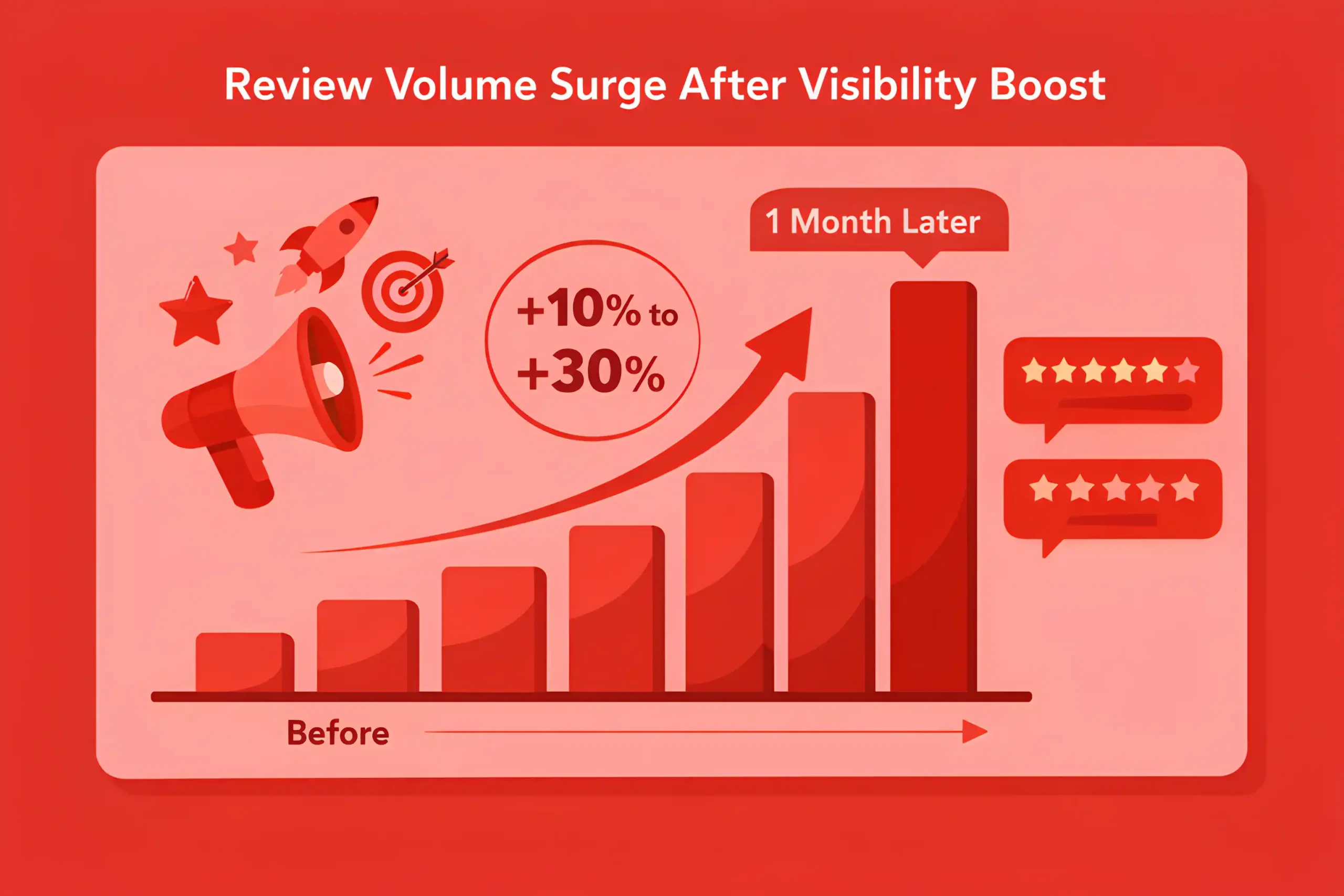
Review volume often climbs after a major visibility push, commonly 10% to 30% over the following month.
Rating drops of 0.2 to 0.5 points often produce measurable declines in lead rate in trust-sensitive categories.
Security and compliance clarity can reduce dropout by 5% to 15% in B2B evaluation journeys.
Customer proof pages, like case studies, often assist 15% to 35% of demo paths when tracked properly, and they are typically deployed as part of content marketing.
Trust signals tend to work best in clusters, and stacked proof often performs 10% to 25% better than a single badge or quote.
Brands that publish clear policies and standards often reduce support escalations by 5% to 15% in high-risk industries.
Reputation work often shows impact first in churn reduction, commonly 2% to 8% over a quarter when trust gaps close.
Consistent executive visibility can lift perceived credibility by 5% to 15% in founder categories.
Overpromising tends to backfire, and expectation gaps often increase refund or cancellation rates by 5% to 20%.
Clear pricing and terms often reduce sales friction, shortening cycle length by 5% to 15% in B2B motions.
Brands with steady trust signals often see higher email signup rates, commonly 5% to 20% uplift on comparable traffic, and the fastest way to convert that trust into retention is usually through email marketing.
You might find interesting: 250+ Digital Marketing Statistics
Brand Consistency, Messaging & Visual Identity Stats
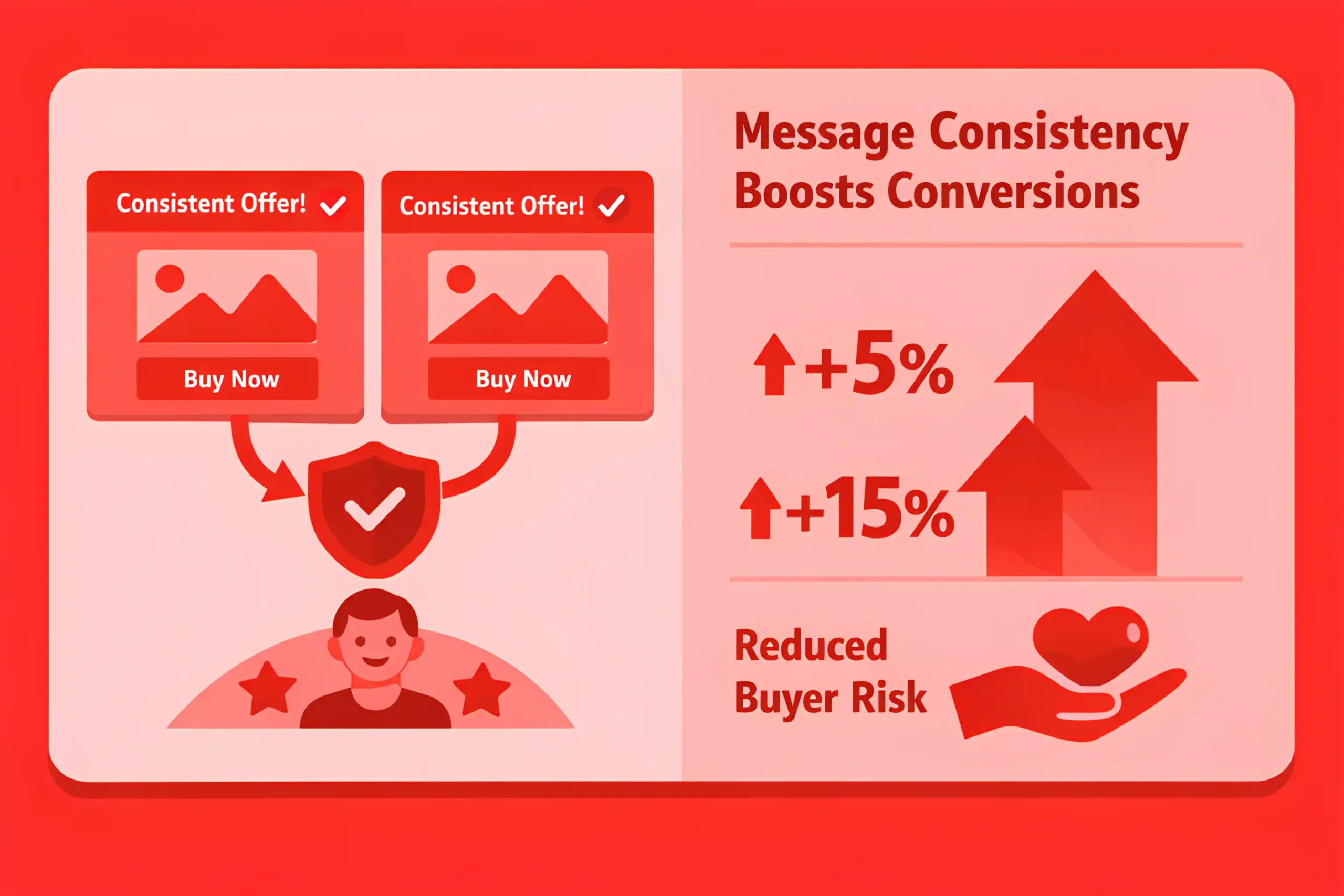
Message consistency across pages often lifts conversion by 5% to 15% because buyers feel less risk.
Visual consistency can improve recognition, often increasing ad recall by 5% to 20% in repeated exposure campaigns.
Brands with a clear messaging hierarchy often reduce bounce by 5% to 15% on landing pages.
Teams that standardize voice and terminology often cut revision cycles by 10% to 25% across content production when they document it inside a repeatable content writing flow.
Inconsistent naming and shifting labels often create confusion, increasing support questions by 5% to 15%.
Distinctive assets, like colors and patterns used consistently, can improve recognition by 10% to 30% over time.
A clear value proposition above the fold often improves first page engagement by 10% to 25%.
Brands that enforce one positioning line across channels often see stronger branded search lift, commonly 10% to 25% higher than fragmented messaging.
Copy systems built around approved claims often reduce compliance edits by 10% to 20%.
Consistency improves internal alignment, and teams often report 10% to 30% less back and forth on approvals after guidelines are adopted.
Messaging drift is common during rapid growth, and 20% to 40% of pages often need updates after repositioning work.
Homepage clarity improvements often lift conversion rate by 3% to 10% because intent is confirmed faster.
Brands that align product language with marketing language often reduce onboarding confusion, improving activation by 5% to 15%.
Strong naming conventions often improve site search success rates by 10% to 25% after teams standardize terminology and page architecture through web design.
Positioning updates usually take 4 to 12 weeks to fully show up in behavior metrics across the funnel.
Explore also: 100+ Email Marketing Statistics
Customer Experience, Loyalty & Retention Stats
Customer experience improvements often lift retention by 2% to 8% over a quarter in subscription models after targeted UX design improvements.
Reducing time to first value often increases activation by 5% to 20%, and a focused SaaS web design flow usually makes onboarding steps easier to complete.
Friction reduction on key flows often lifts conversion by 3% to 12%, depending on baseline performance.
Support responsiveness improvements often reduce churn risk by 5% to 15% in high-touch segments.
Clear onboarding content often reduces tickets by 10% to 25% for common setup issues.
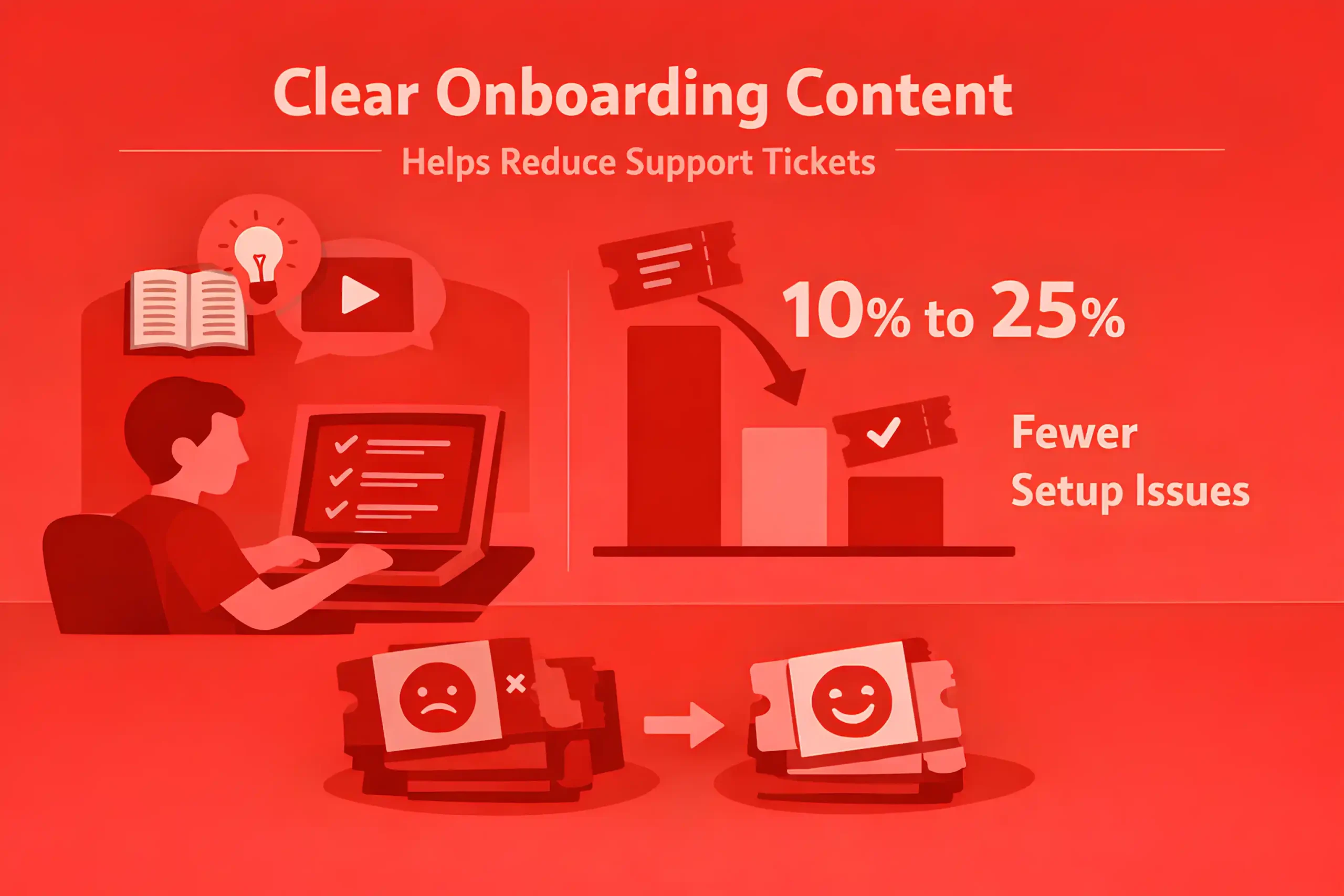
A strong help center plus in-product guidance can deflect 10% to 35% of tickets when content is accurate.
Loyal customers often have 1.5x to 3x higher referral rates than first-year customers.
Retention improvements often show up before revenue per account increases, with upsell lagging by 1 to 2 quarters.
NPS movement is usually slow, and meaningful lifts often take 8 to 16 weeks after experience changes roll out.
Brands that close the loop on feedback often improve renewal rates by 3% to 10%.
Personalized lifecycle messaging often reduces churn by 2% to 6% when targeting is solid.
Customer education programs often lift product adoption by 5% to 15% on key features.
Consistency between sales promise and product experience often reduces churn by 5% to 20%.
Strong retention often lowers CAC pressure, and marketing efficiency can improve 5% to 15% as payback periods shorten.
High satisfaction accounts often convert to case studies at 2x to 4x the rate of average accounts when asked at the right moment.
Related reading: 100+ AI Marketing Statistics
Brand Differentiation, Positioning & Competitive Advantage Stats
Clear differentiation often lifts win rates by 5% to 15% in competitive deals.
Brands with a credible point of view often earn 1.5x to 3x more organic mentions than brands with generic messaging.
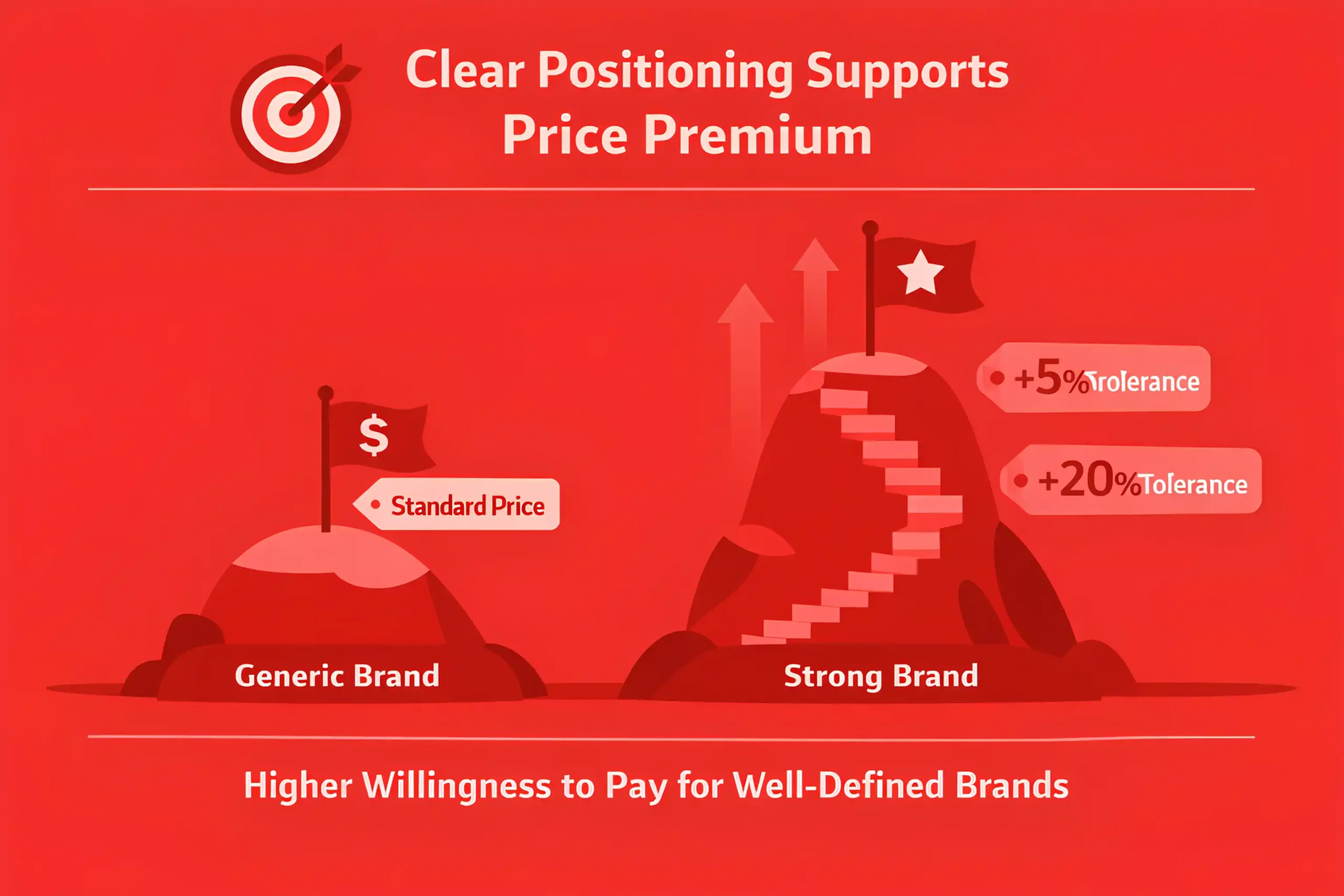
Price premium becomes easier to defend when positioning is clear, with premium tolerance often 5% to 20% higher.
Category-focused messaging often improves qualified lead rates by 10% to 25% compared to broad positioning.
Competitor comparisons often convert well, and evaluation content can convert 1.5x to 3x higher than general education.
Buyer confidence rises when tradeoffs are acknowledged, often improving conversion by 3% to 10% versus one-sided claims.
Brands that own one category association often see a stronger branded search share, commonly 10% to 30% higher than peers.
Differentiation weakens when feature lists dominate, and conversion can drop 5% to 15% when the “why” is missing.
A tight ICP focus often reduces wasted spend, lowering CAC by 5% to 20% in B2B demand programs.
Positioning updates that match real product strengths often improve close rates by 5% to 12% within a quarter.
Distinct messaging can reduce sales cycle length by 5% to 15% because objections surface earlier and get handled faster.
Brands that publish proof, benchmarks, or original research often earn 2x to 6x more backlinks than brands relying on opinion content.
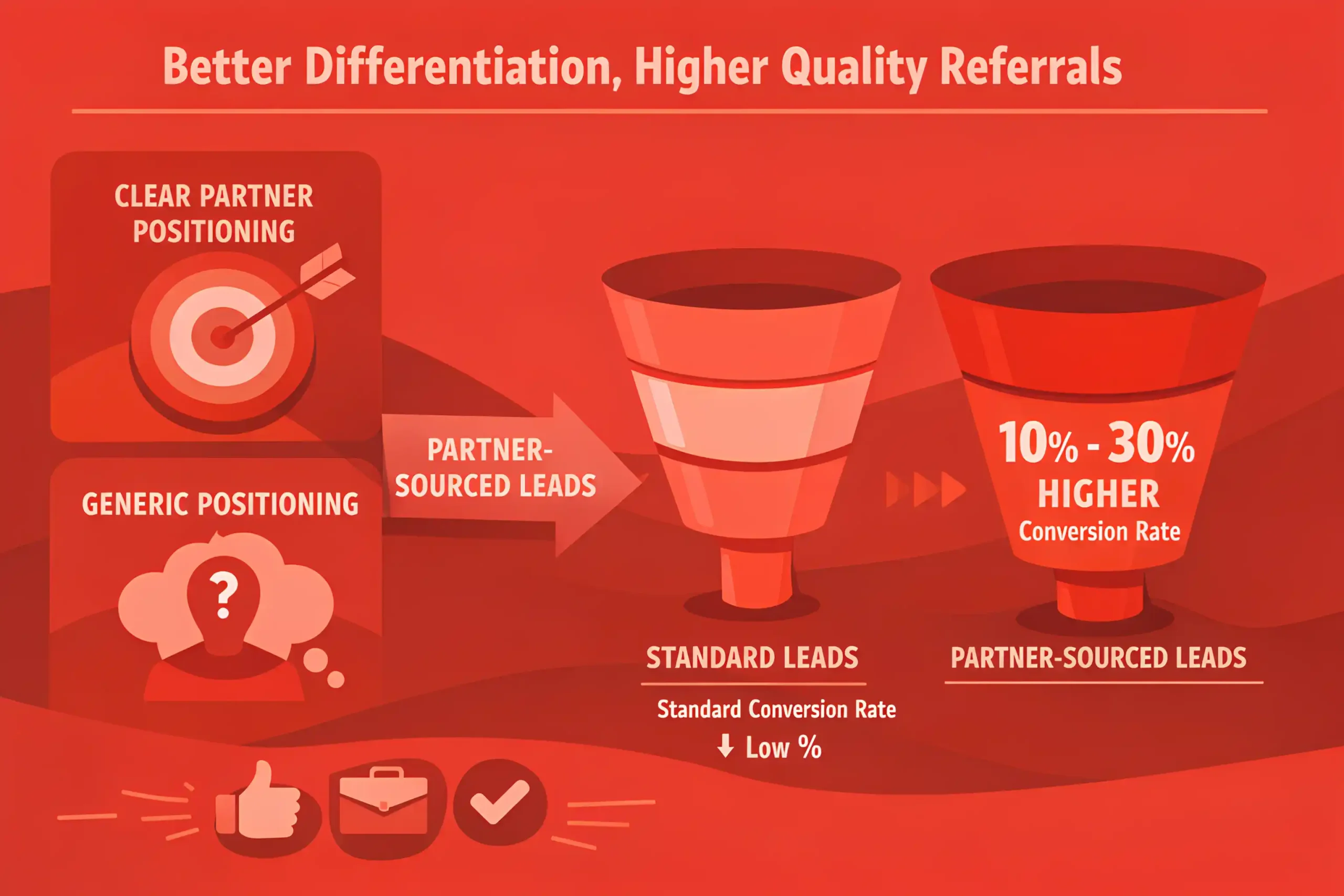
Differentiation improves referral quality, and partner-sourced leads often convert 10% to 30% higher when positioning is clear.
In crowded markets, the top few brands often capture 50% to 75% of attention, making memorability a real advantage.
Competitive advantage compounds when product experience matches the promise, often lifting retention by 2% to 8% alongside growth.
Don’t miss out: 100+ Reputation Management Statistics
The Key Takeaways
A brand rarely loses because it lacks activity. It loses because the market could not repeat the message, buyers could not justify the choice, and the experience did not match expectations. When trust slips, every metric downstream gets more expensive, from clicks to sales time to retention.
Use the stats in this guide to benchmark where the brand stands today, then pick the few levers that matter most for the next quarter: awareness reach, trust signals, consistency, and customer experience.
The final goal is a clearer story, repeated consistently, backed by proof, and supported by an experience that makes buyers feel safe choosing you.


