
In 2026, the conversation around AI is no longer theoretical. Companies are restructuring teams, redefining roles, and replacing repetitive work with automated systems.
At NEWMEDIA.COM, we put together the collection of AI job displacement statistics to show what the data says: which industries are under the most automation pressure, which roles are most exposed to change, and where AI adoption is accelerating.
Use these figures to understand how organizations are adjusting hiring, productivity expectations, and workforce strategy, and where the next wave of disruption and opportunity is emerging.
Jobs Most Exposed: Roles and Tasks AI Is Replacing or Reducing
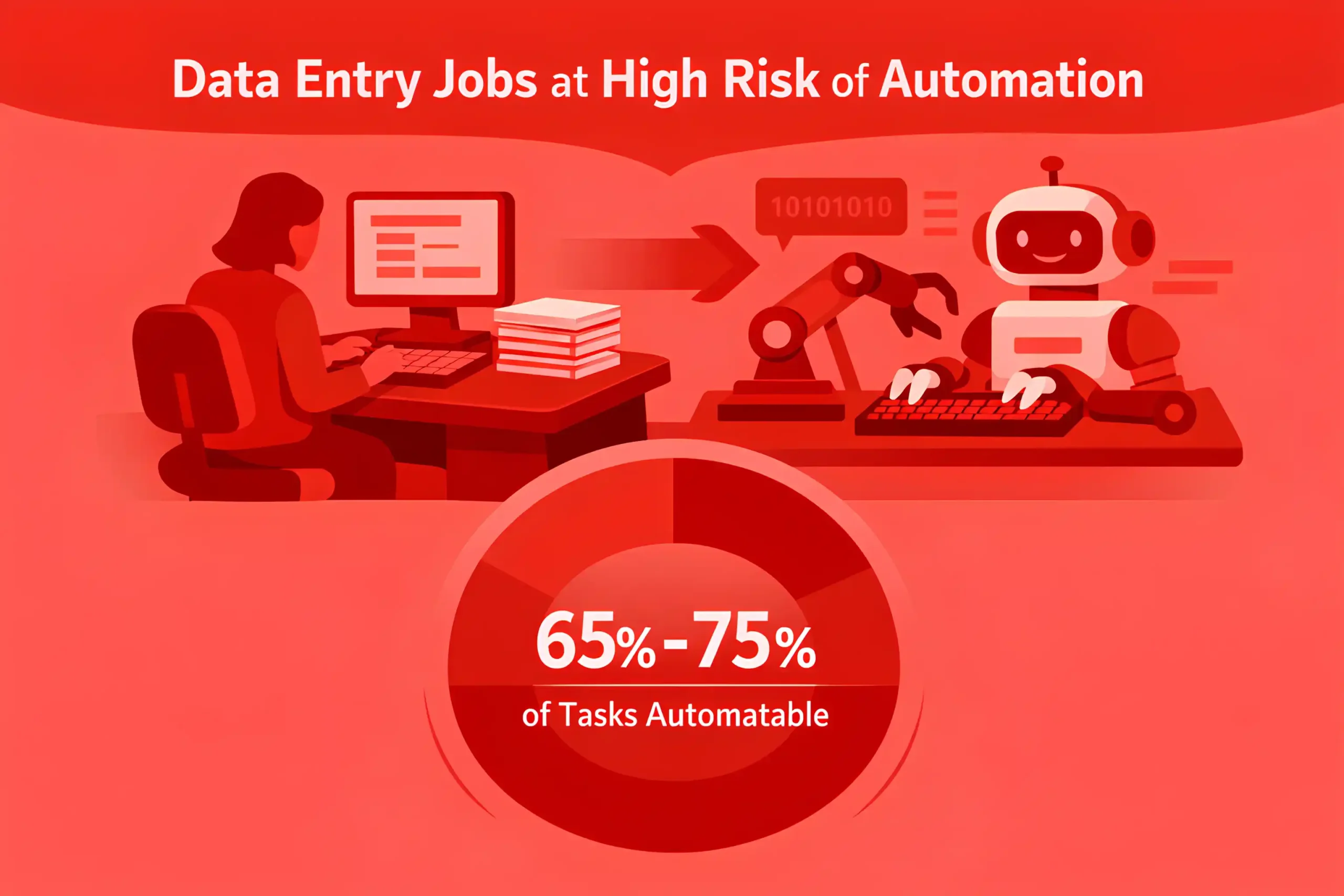
Data entry roles face the highest automation exposure, with 65 to 75% of tasks now technically automatable using modern AI systems.
Customer support chat handling has shifted rapidly to AI, with 42% of first-line inquiries now resolved without human agents.
Administrative assistant roles have seen roughly 30% of routine scheduling and documentation tasks automated through AI tools.
AI writing assistants now generate over 35% of first-draft marketing copy in large enterprise content writing teams.
Legal document review tasks are 50 to 60% faster when AI-assisted, reducing demand for junior paralegal hours.
Basic bookkeeping tasks such as invoice categorization and reconciliation are automated in nearly 45% of small business accounting workflows.
AI transcription systems now handle over 70% of meeting and call documentation in large organizations.
In retail operations, AI-powered inventory forecasting reduces manual demand planning work by roughly 28%.
Entry-level graphic design tasks, such as simple social media visuals, are now AI-assisted in about 40% of marketing teams.
HR screening tools filter 60 to 75% of job applications before human review, dramatically reducing recruiter workload.
AI-powered coding assistants now generate 20 to 30% of routine code snippets in modern software development environments.
Translation AI systems perform over 50% of initial localization work in global content teams.
Media transcription and captioning roles have declined as AI handles nearly 80% of video caption generation.
AI financial analysis tools now automate about 32% of standard reporting tasks in corporate finance departments.
Insurance claim processing automation has reduced manual claim review by approximately 25% in large carriers.
AI-powered sales tools draft roughly 30% of outbound prospecting email marketing in B2B sales teams.
Document summarization AI cuts research reading time by nearly 40% for analysts and consultants.
Automated data-cleaning tools reduce manual spreadsheet preparation tasks by about 35%.
AI voice assistants now resolve around 28% of routine call-center interactions without agent escalation.
Content moderation AI systems process over 90% of flagged posts before human review on major social platforms.
Don’t miss out: 100+ PPC Statistics That Could Save You Budget (2026 Updated)
New Work Created: Emerging Roles, Reskilling, and Wage Impact
AI-related job postings grew 31% globally between 2023 and 2025, outpacing overall tech hiring.
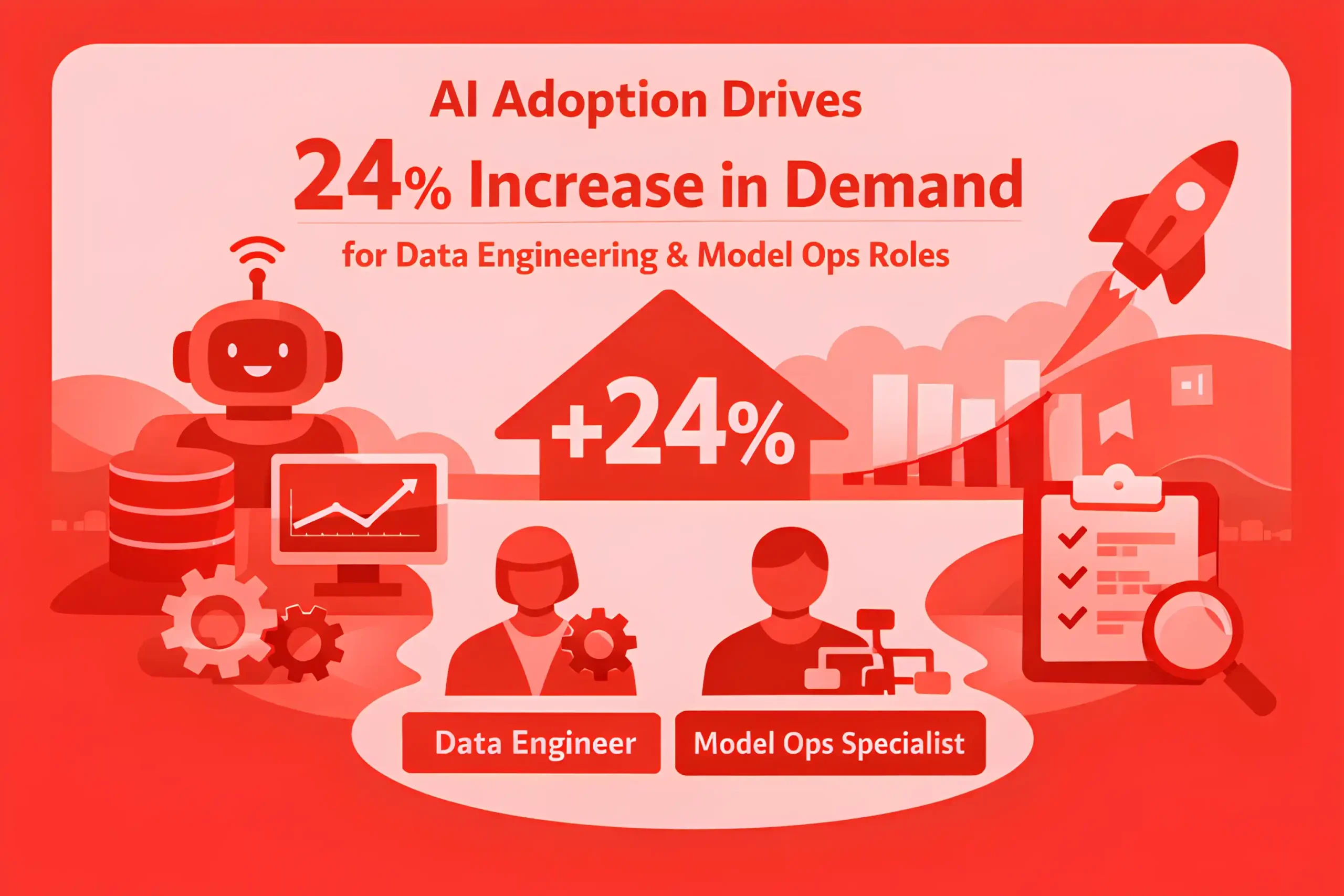
Companies adopting AI report 24% higher demand for data engineering and model operations roles.
Prompt engineering and AI workflow design roles have grown over 40% year over year in digital marketing teams.
Organizations implementing generative AI invest 18 to 22% more in employee reskilling programs than non-adopters.
AI literacy training is now offered by nearly 60% of large enterprises as part of workforce development.
Workers who combine domain expertise with AI tools report productivity gains of roughly 27% on average.
Demand for AI governance and ethics specialists has increased nearly 35% since 2024.
Companies using AI copilots in software development report 28% faster feature release cycles.
AI adoption has created one new technical oversight role for every five automated workflows in large enterprises.
Employees trained to use AI tools command wage premiums of roughly 8 to 12% in many knowledge industries.
AI-assisted marketing teams produce about 35% more content output per employee.
Demand for machine learning operations (MLOps) specialists has grown by over 32% annually since 2023.
Firms that integrate AI into analytics workflows reduce manual reporting work by around 30% while expanding analyst roles.
AI implementation projects create temporary cross-functional task forces in nearly 48% of large organizations.
Businesses investing heavily in automation increase internal training budgets by roughly 20% on average.
Knowledge workers using AI assistants report time savings of 6 to 8 hours per week on routine tasks.
Demand for AI product managers has grown approximately 29% year over year in tech companies.
AI-driven workflow tools allow small teams to handle 20 to 25% more operational volume without increasing headcount.
Educational platforms offering AI-related courses have seen enrollment growth exceeding 45% since 2023.
Companies that reskill internal staff for AI-supported roles fill about 37% of new technical positions internally rather than hiring externally.
Also explore: 250+ Digital Marketing Statistics
Industry Breakdown: Displacement and Automation by Sector
Manufacturing remains the most automated sector, with about 34% of production tasks now supported by robotics or AI systems.
Financial services automation has reduced manual back-office processing work by roughly 27% across large institutions.
In logistics and supply chain operations, AI forecasting tools have automated about 29% of demand planning activities.
Healthcare administration is seeing rapid AI adoption, with roughly 31% of billing and coding tasks now automated.
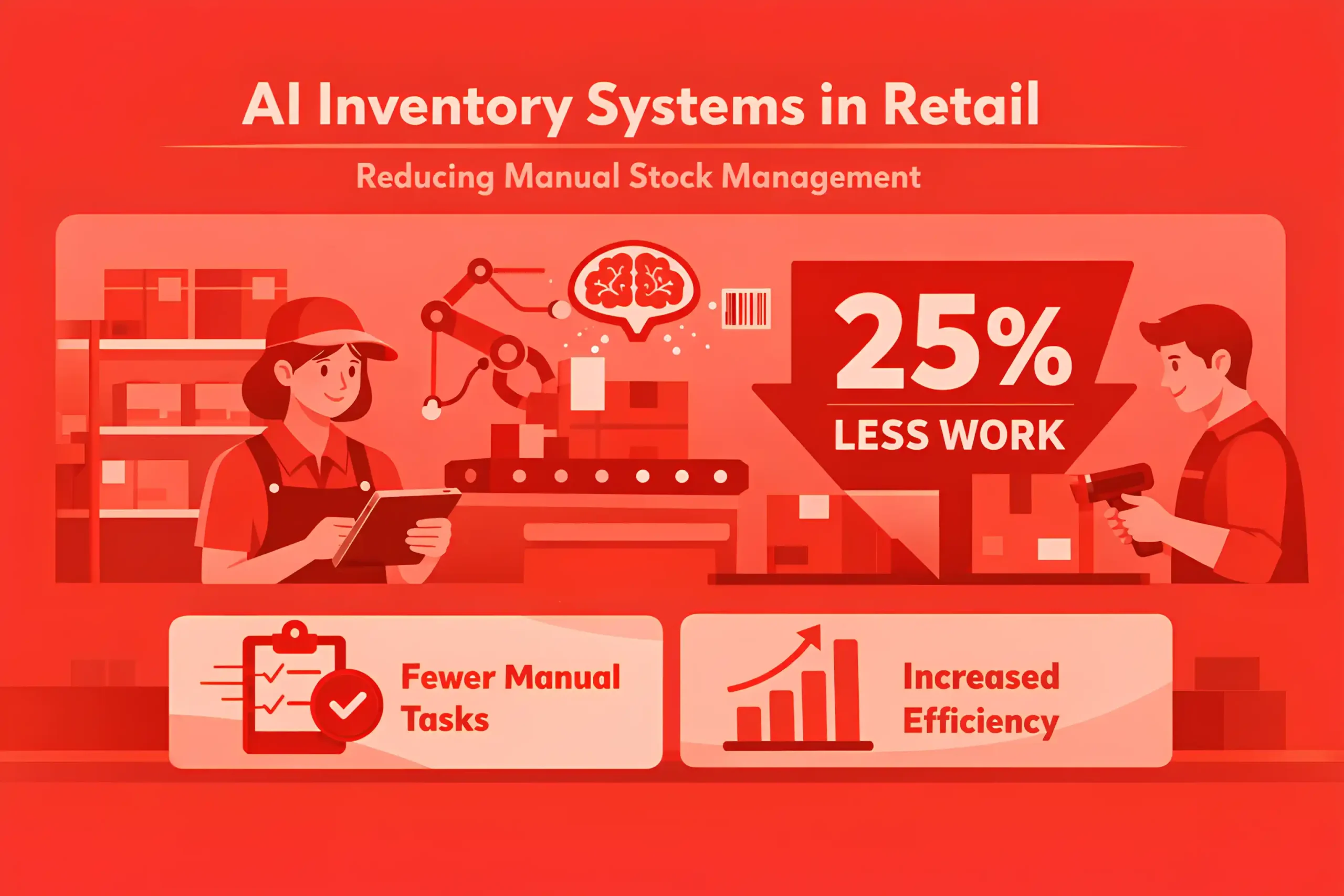
Retail companies use AI inventory systems that reduce manual stock management work by approximately 25%.
Media and publishing organizations report nearly 38% of initial content drafting now supported by generative AI tools.
In the legal industry, AI-assisted document review reduces contract analysis time by 45%.
Insurance companies automate around 26% of claims processing tasks using AI-based verification systems.
Telecommunications providers use AI network monitoring that replaces about 22% of routine diagnostic work.
Marketing and advertising teams automate roughly 33% of campaign reporting and performance analysis tasks.
In education, AI grading tools now handle about 24% of routine assessment and feedback tasks.
Banking institutions use AI fraud detection systems that automatically flag over 85% of suspicious transactions before human review.
Hospitality businesses deploy AI-driven booking systems that reduce manual reservation management work by about 21%.
Transportation companies using predictive maintenance AI report about 28% fewer manual inspection tasks.
E-commerce companies automate roughly 36% of product recommendations and merchandising decisions through AI algorithms.
Pharmaceutical companies apply AI drug discovery tools that reduce early-stage research workloads by approximately 30%.
Construction firms adopting AI project planning tools report around 18% less manual scheduling work.
Agriculture increasingly relies on AI-driven crop monitoring, reducing manual field inspection needs by roughly 26%.
Energy companies use AI grid management systems that automate about 23% of monitoring and diagnostic operations.
Customer service operations across industries now automate approximately 40% of routine inquiries through AI-powered chat systems.
Also read: 100+ Reputation Management Statistics
What’s Next: Forecasts for 2026-2035 ( How Companies Are Responding)
By 2030, about 30% of current workplace tasks are expected to be automated through AI and advanced software systems.
Roughly 68% of large enterprises plan to expand AI adoption across at least three core departments by 2028.
Corporate spending on AI infrastructure is projected to grow around 17% annually through 2030.
By 2035, nearly 45% of organizations expect AI copilots to assist most knowledge workers daily.
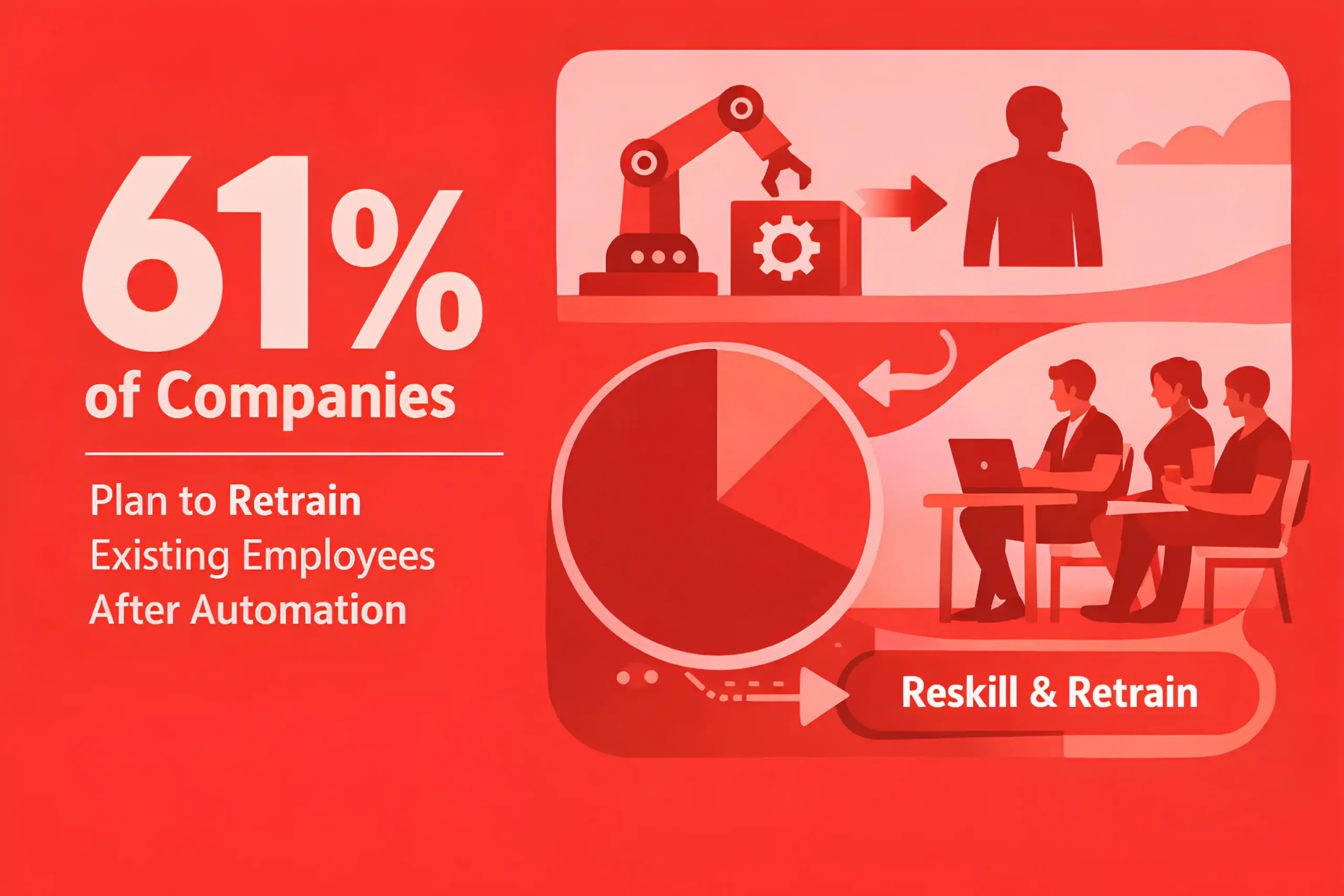
About 61% of companies plan to retrain existing employees rather than replace them after automation deployment.
Global investment in workforce reskilling related to AI is expected to exceed $90 billion by 2030.
Nearly 52% of executives expect AI to significantly reshape organizational structures within the next decade.
Companies adopting AI workflow automation report projected productivity gains of 20 to 25% by 2030.
Around 57% of HR leaders expect hybrid human–AI roles to become standard across knowledge industries.
By 2032, AI-assisted decision systems are expected to support more than 50% of corporate strategic planning processes.
Roughly 46% of companies plan to introduce internal AI governance teams by 2028.
Businesses integrating AI across operations expect operational cost reductions of 15 to 20% over the next decade.
About 63% of organizations plan to integrate AI into customer service workflows by 2027.
By 2030, AI-driven analytics platforms are expected to power nearly 60% of enterprise reporting systems.
Around 48% of technology leaders expect AI to shorten product development cycles by at least 30% by 2032.
Companies adopting AI decision tools forecast marketing efficiency improvements of roughly 22% within five years.
Approximately 55% of firms expect AI to automate most routine compliance monitoring tasks by 2031.
By 2035, AI-assisted hiring systems are expected to screen nearly 75% of job applications globally.
Roughly 50% of global companies anticipate creating new AI-focused roles to manage automation systems by 2030.
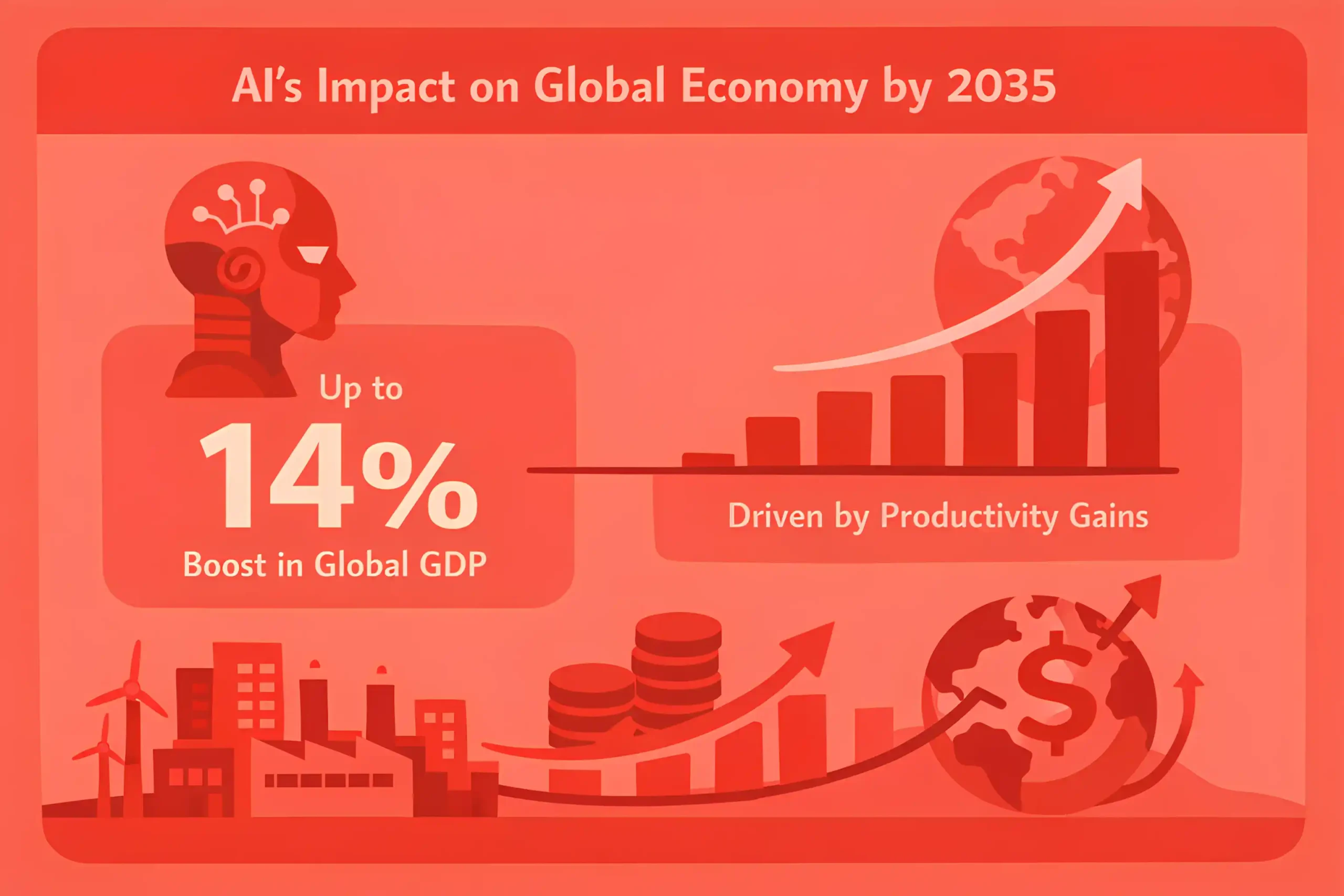
Long-term forecasts suggest AI could contribute up to 14% of global economic growth by 2035 through productivity gains.
Read also: 200+ Social Media Marketing Statistics
The Key Takeaways
In 2026, AI is reshaping work faster than most companies expected. Routine tasks across administration, support, analysis, and content production are increasingly automated, forcing organizations to rethink roles and productivity.
The shift is not only about displacement but redesign. As automation expands, demand rises for AI oversight, data literacy, and roles that combine domain expertise with intelligent tools.
Industries will adapt at different speeds, but the direction is clear. Over the next decade, competitive companies will succeed by building teams around human–AI collaboration rather than simple cost reduction.


