Gen Z is no longer an emerging audience; it is rapidly becoming the most influential consumer group online. Raised on short-form video, creator culture, and algorithm-driven feeds, this generation filters marketing instantly and rewards brands that understand how it discovers, evaluates, and trusts products.
At NEWMEDIA.COM, we put together this collection of 100+ Gen Z marketing statistics to show what the data says: which platforms shape purchase decisions, which content formats drive engagement, and which behaviors are redefining digital influence.
Use these benchmarks to refine targeting, shape creative strategy, and align campaigns with a generation that is rewriting the rules of modern marketing.
Gen Z Demographics & Economic Snapshot
Gen Z represents about 27% of the global population, making it the largest generation worldwide.
In the United States alone, Gen Z accounts for over 69 million consumers entering peak spending years.
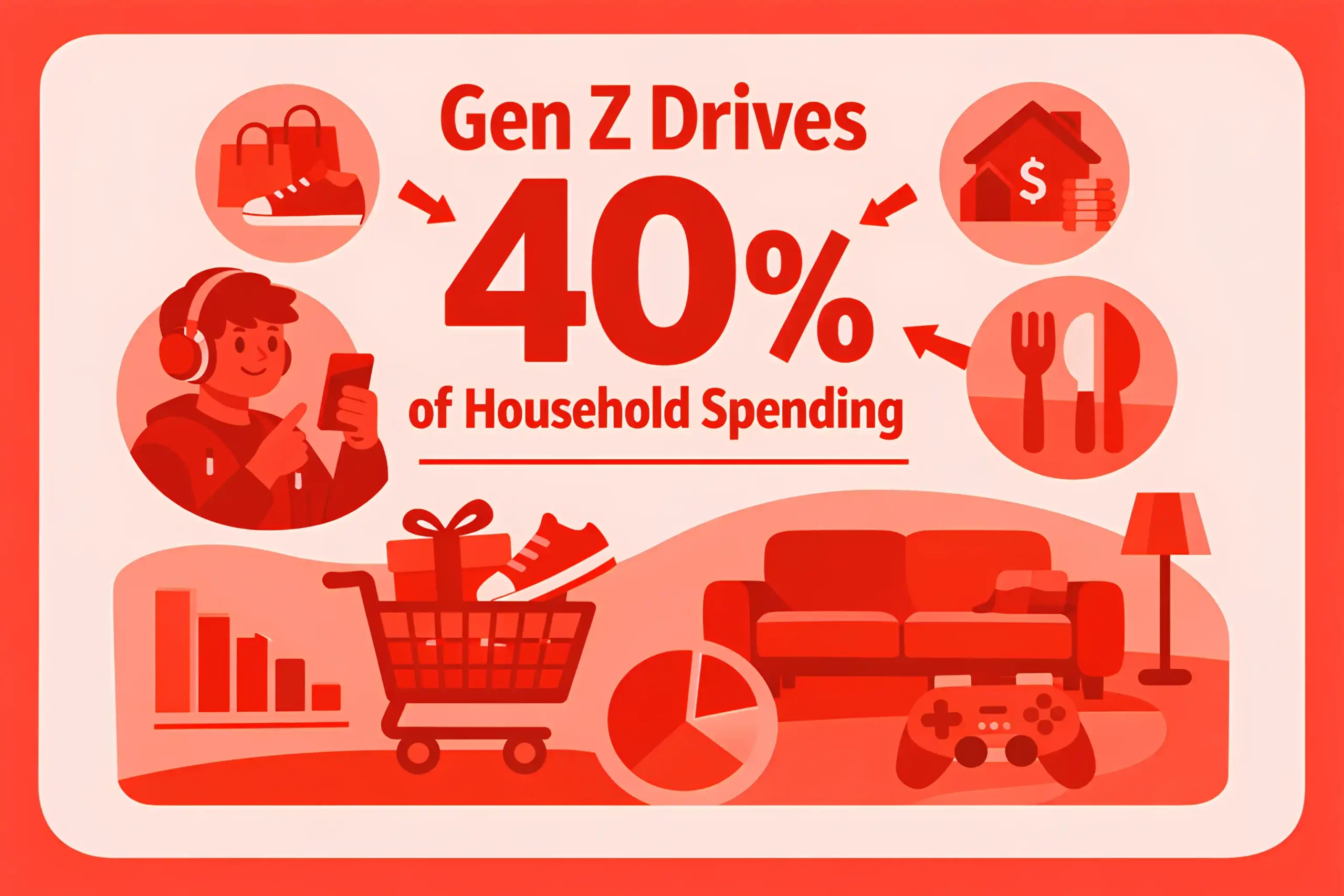
Gen Z consumers already influence over 40% of household spending decisions.
More than 74% of Gen Z shoppers research products online before making a purchase.
Around 62% of Gen Z prefer mobile devices as their primary shopping tool.
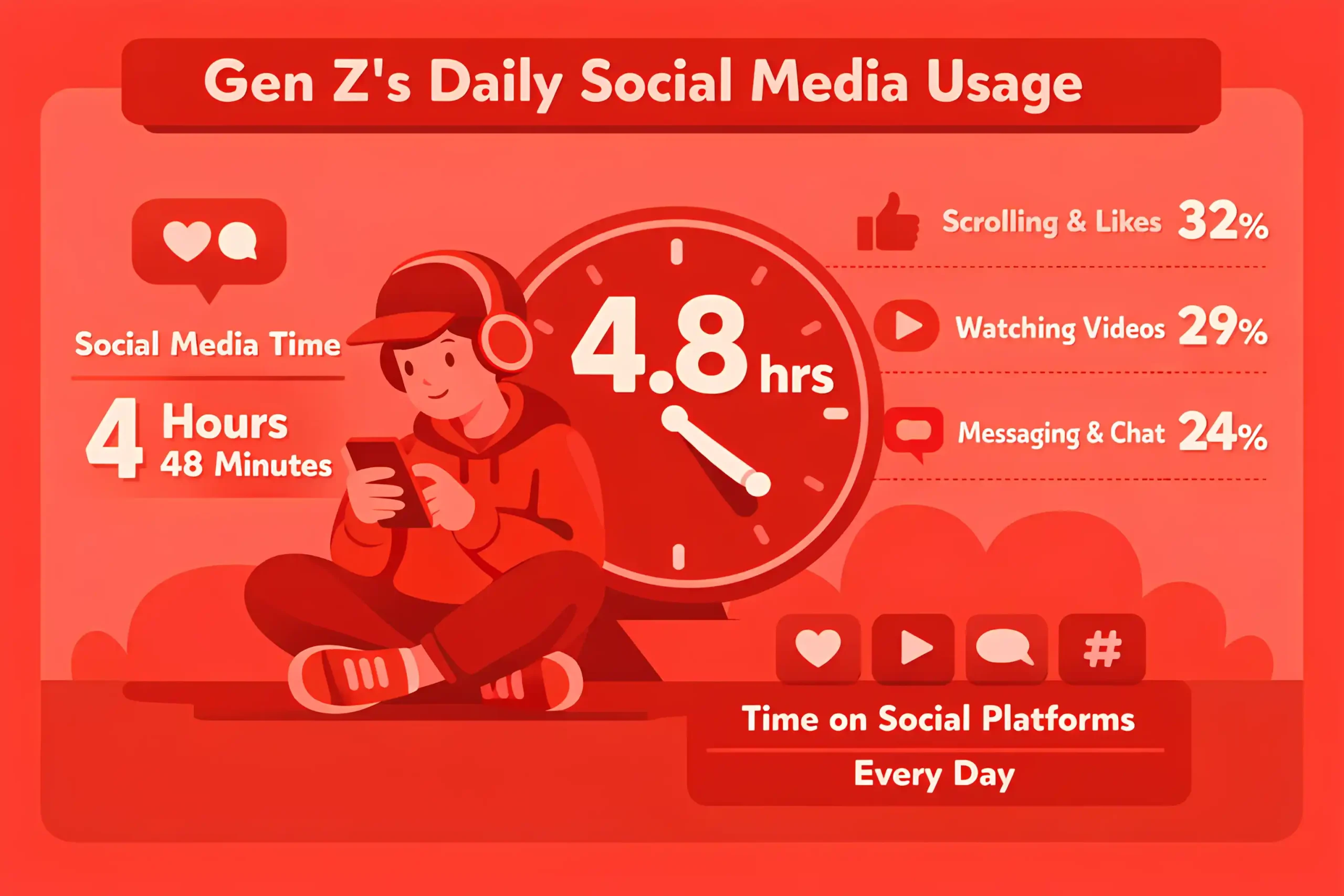
Gen Z spends an average of 4.5 to 5 hours daily on social media platforms, which is why brands trying to reach this audience invest heavily in social media services.
Roughly 68% of Gen Z consumers prefer brands that align with their personal values.
Nearly 55% of Gen Z buyers are willing to switch brands for better digital experiences.
About 71% of Gen Z consumers expect brands to interact with them through social platforms, reinforcing the need for a coordinated digital marketing services strategy.
Around 47% of Gen Z rely on creator or influencer recommendations before making a purchase.
Nearly 64% of Gen Z prefer personalized product recommendations when shopping online.
Approximately 52% of Gen Z use digital wallets or mobile payment apps regularly.
Gen Z consumers are twice as likely as older generations to discover brands through short-form video.
Around 58% of Gen Z shoppers prefer buying directly from brand websites rather than marketplaces.
Nearly 49% of Gen Z consumers follow at least one brand on social media.
About 60% of Gen Z say product reviews strongly influence their purchase decisions, which is why credibility and positioning often need support from strong branding.
Roughly 44% of Gen Z consumers have made purchases directly through social commerce features.
Around 67% of Gen Z expect fast shipping and transparent delivery tracking.
By 2030, Gen Z is expected to control roughly $12 trillion in global purchasing power.
Nearly 53% of Gen Z say authenticity and transparency matter more than price when evaluating brands.
Related article: 100+ AI Job Displacement Statistics
Platform Usage & Time Spent
Roughly 72% of Gen Z users open at least one social app within five minutes of waking up.
Gen Z spends an average of 4.8 hours per day on social media platforms.
Nearly 78% of Gen Z users access social platforms primarily through mobile devices.
TikTok captures about 34% of Gen Z’s total social media time, the largest share among platforms.
Gen Z checks social platforms an average of 17 times per day.
About 69% of Gen Z users say TikTok is their preferred platform for discovering new content.
Instagram remains widely used, with around 71% of Gen Z logging in at least once daily.
YouTube reaches over 85% of Gen Z users weekly, and many brands integrate it into broader performance marketing programs to capture both awareness and conversion.
Gen Z users spend roughly 56 minutes per day watching short-form video content across platforms.
Nearly 63% of Gen Z say they prefer video content over text when learning about brands or products.
Snapchat maintains strong engagement, with about 60% of Gen Z opening the app daily.
Discord communities attract approximately 44% of Gen Z users who participate in niche interest groups.
About 58% of Gen Z report using at least three different social platforms every day.
Gen Z users spend around 23% more time on social platforms than millennials did at the same age.
Roughly 49% of Gen Z users say they discover trending topics first on social media rather than traditional news sources.
Nearly 52% of Gen Z viewers watch YouTube on mobile devices rather than desktops or TVs.
About 46% of Gen Z say they multitask across two social apps simultaneously while browsing.
Gen Z users engage with short-form video about 3× more frequently than long-form video content.
Around 67% of Gen Z users say social media is their primary source of entertainment.
Nearly 55% of Gen Z spend more time on creator-led content than on brand-published content.
Don’t miss out: 100+ PPC Statistics That Could Save You Budget (2026 Updated)
Content Preferences & Creator Influence
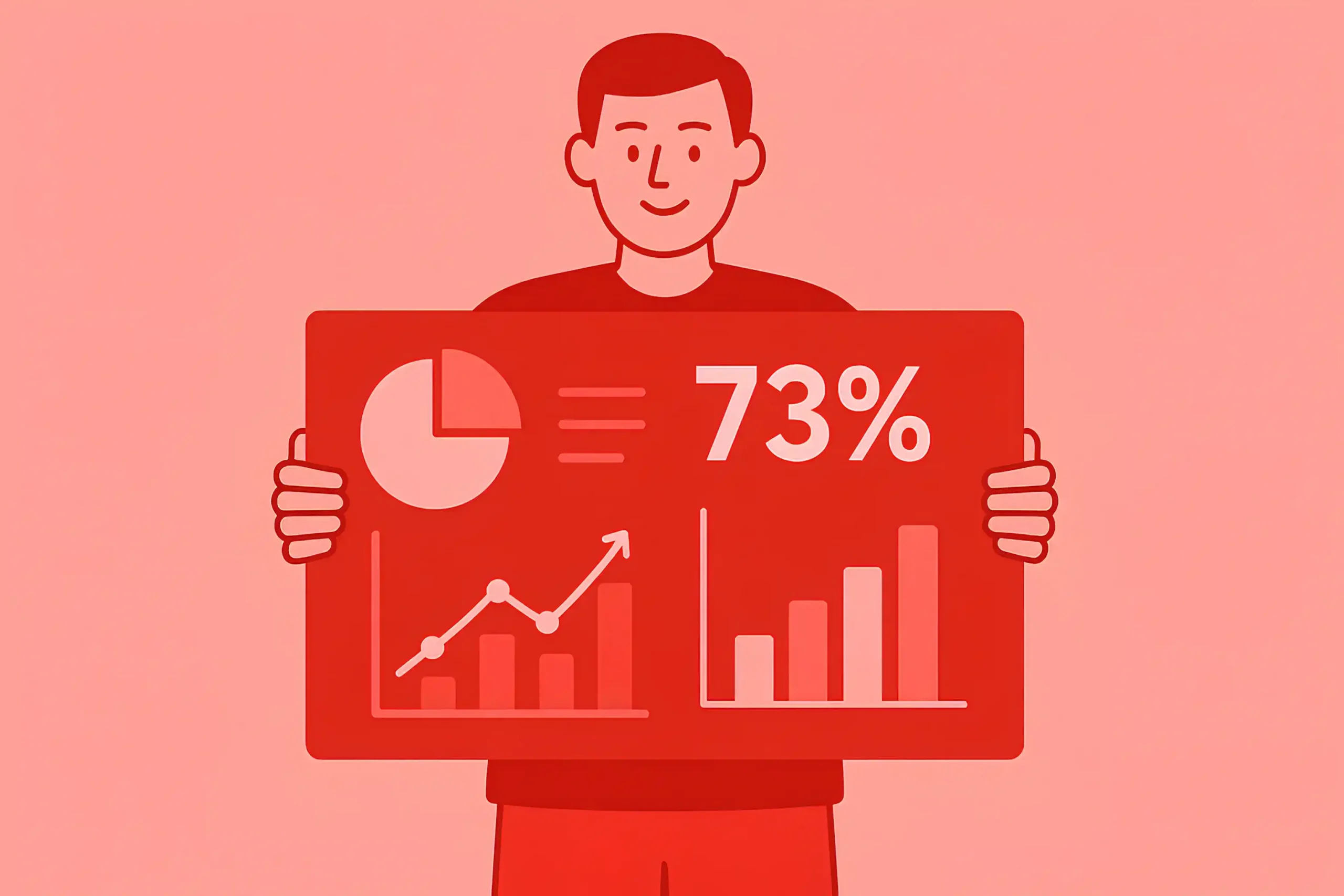
About 73% of Gen Z prefer short-form video when discovering new products or brands.
Nearly 61% of Gen Z trust creator recommendations more than traditional brand advertising.
Roughly 68% of Gen Z say authentic, unpolished content performs better than highly produced ads.
About 59% of Gen Z consumers follow at least one creator primarily for product recommendations.
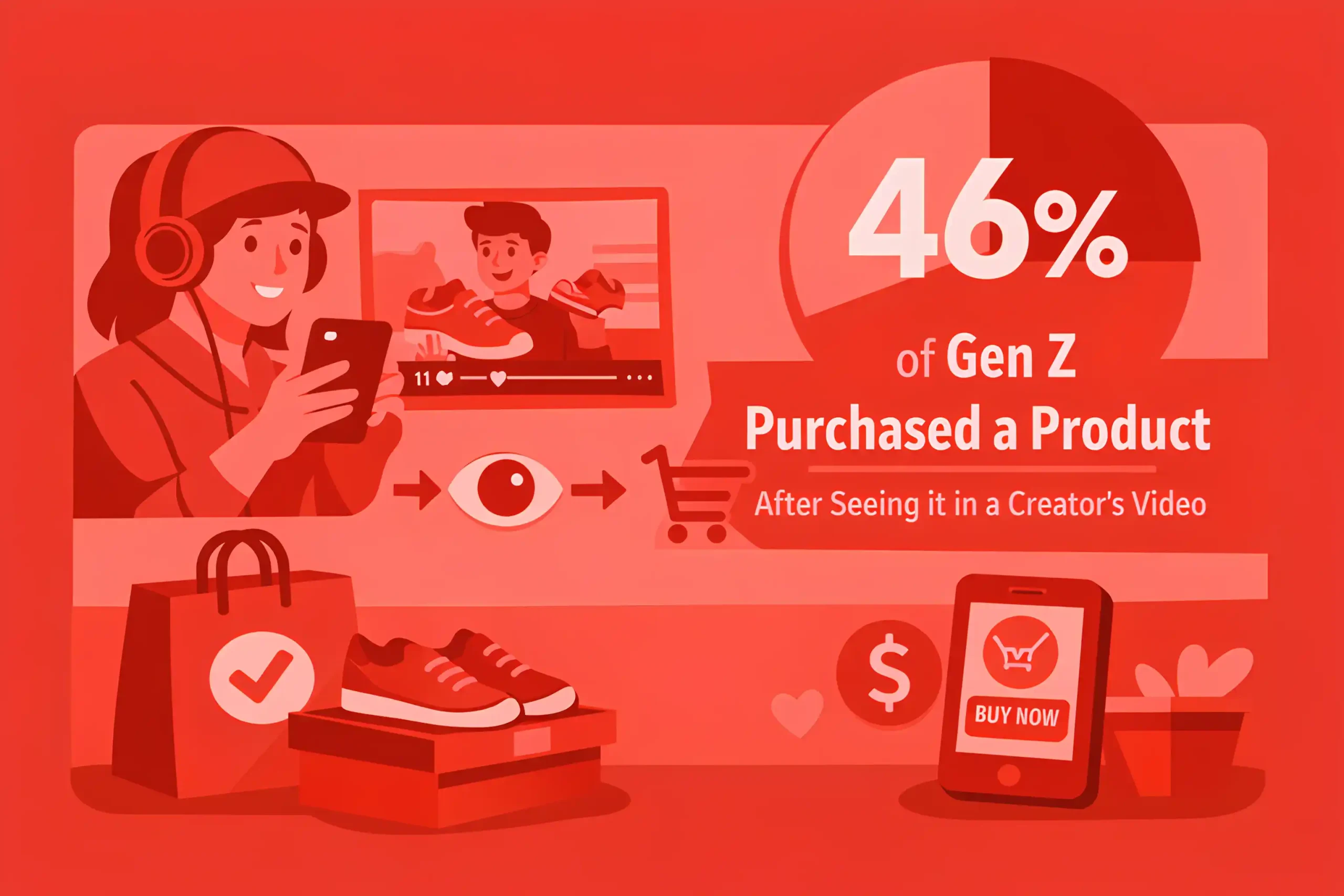
Nearly 47% of Gen Z have purchased a product after seeing it in a creator’s video.
Gen Z is 2.5× more likely to engage with creator-led content than brand-published posts.
Around 64% of Gen Z say humor increases the likelihood they will share branded content.
Roughly 52% of Gen Z prefer behind-the-scenes or “real life” content from brands.
Nearly 45% of Gen Z say they trust micro-influencers more than large celebrity influencers.
About 58% of Gen Z say user-generated content increases brand credibility.
Around 49% of Gen Z watch product reviews on social media before purchasing.
Roughly 67% of Gen Z prefer educational or “how-to” content over traditional promotional ads.
Nearly 54% of Gen Z say storytelling-based marketing is more memorable than direct sales messaging.
Around 43% of Gen Z consumers say they discover new brands primarily through creators.
Gen Z engagement rates are about 32% higher on creator collaborations compared with standard brand posts.
Nearly 56% of Gen Z prefer brands that collaborate regularly with content creators.
Roughly 46% of Gen Z say they value transparency when creators disclose paid partnerships.
About 62% of Gen Z interact with polls, Q&As, or interactive creator content on social platforms.
Around 51% of Gen Z say they remember brands better when featured naturally within creator content.
Nearly 48% of Gen Z say relatable creators influence their purchase decisions more than brand messaging.
Also read: 250+ Digital Marketing Statistics
Shopping Behavior & Conversion Triggers
Around 76% of Gen Z researches a product online before making a purchase.
Nearly 58% of Gen Z abandon carts when total costs rise unexpectedly at checkout.
About 63% of Gen Z say free shipping is one of the strongest conversion triggers.
Roughly 54% of Gen Z are more likely to buy when brands show clear customer reviews.
Nearly 49% of Gen Z have purchased directly through a social commerce feature.
Around 61% of Gen Z say discounts influence first purchases more than brand loyalty does.
About 57% of Gen Z prefer mobile-first checkout experiences over desktop buying journeys.
Roughly 46% of Gen Z say limited-time offers increase purchase urgency.
Nearly 52% of Gen Z are more likely to convert when payment installments are available.
Around 59% of Gen Z expect product pages to include short videos or visual demos, making e-commerce web design a direct conversion lever.
About 44% of Gen Z shoppers purchase after seeing repeated product exposure across platforms.
Roughly 67% of Gen Z trust peer reviews more than product descriptions written by brands.
Nearly 48% of Gen Z say easy returns make them more willing to complete a purchase.
Around 55% of Gen Z are more likely to buy from brands that offer personalized recommendations.
About 41% of Gen Z complete impulse purchases after seeing products in creator content.
Roughly 53% of Gen Z say fast checkout matters more than broad product selection.
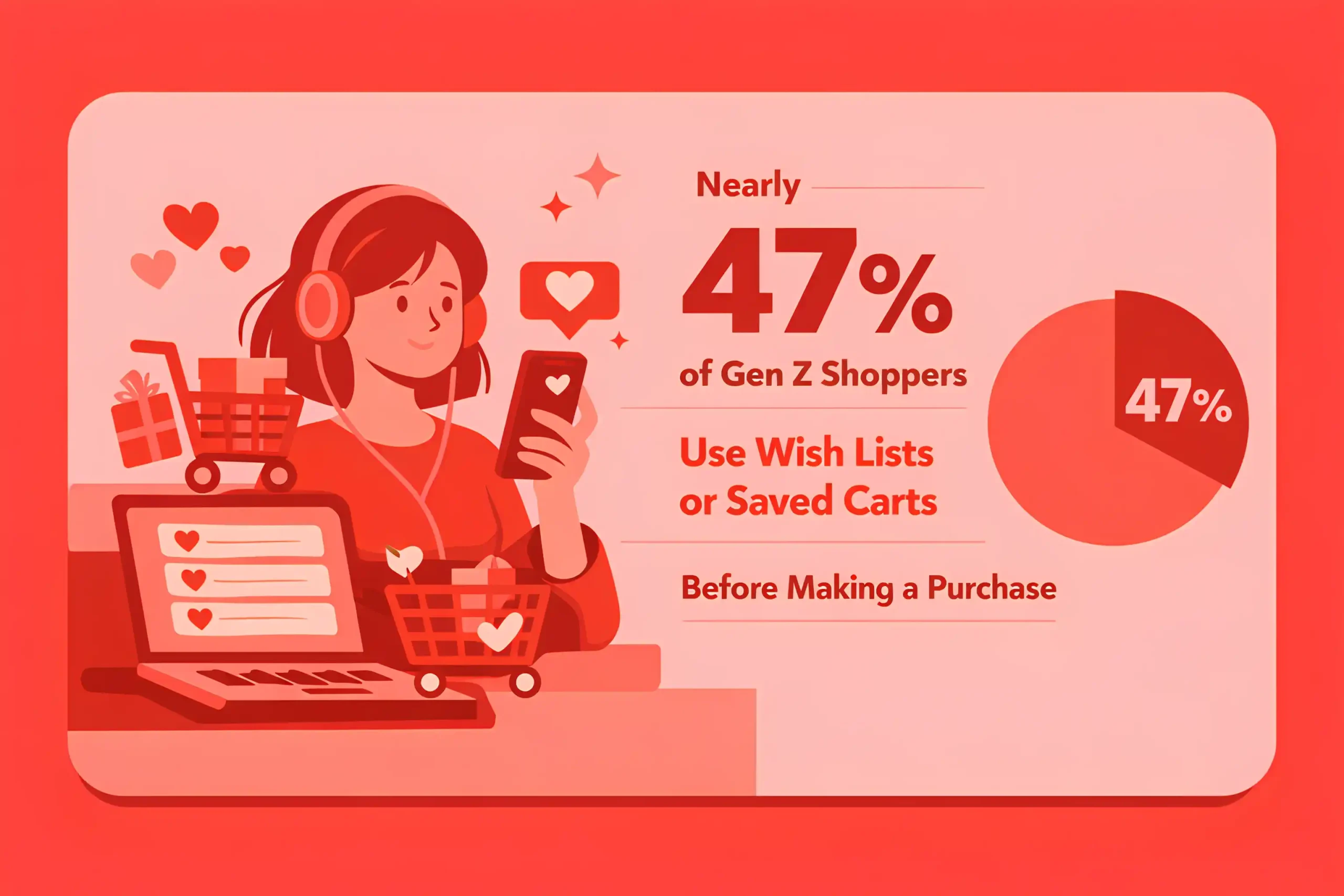
Nearly 47% of Gen Z shoppers use wish lists or saved carts before converting later.
Around 62% of Gen Z respond positively to bundles or value-pack offers.
About 45% of Gen Z say brand authenticity affects conversion as much as price does.
Roughly 51% of Gen Z are more likely to purchase when inventory scarcity is clearly shown.
Related reading: 100+ Reputation Management Statistics
Brand Trust, Values & Ad Performance Benchmarks
Around 69% of Gen Z say trust influences purchase decisions as much as price.
Nearly 64% of Gen Z prefer brands that clearly communicate their values.
About 58% of Gen Z are more likely to buy from brands they view as transparent.
Roughly 51% of Gen Z stop buying from brands they perceive as inauthentic, which is why long-term trust often depends on strong reputation management.
Nearly 47% of Gen Z say a brand’s social stance affects long-term loyalty.
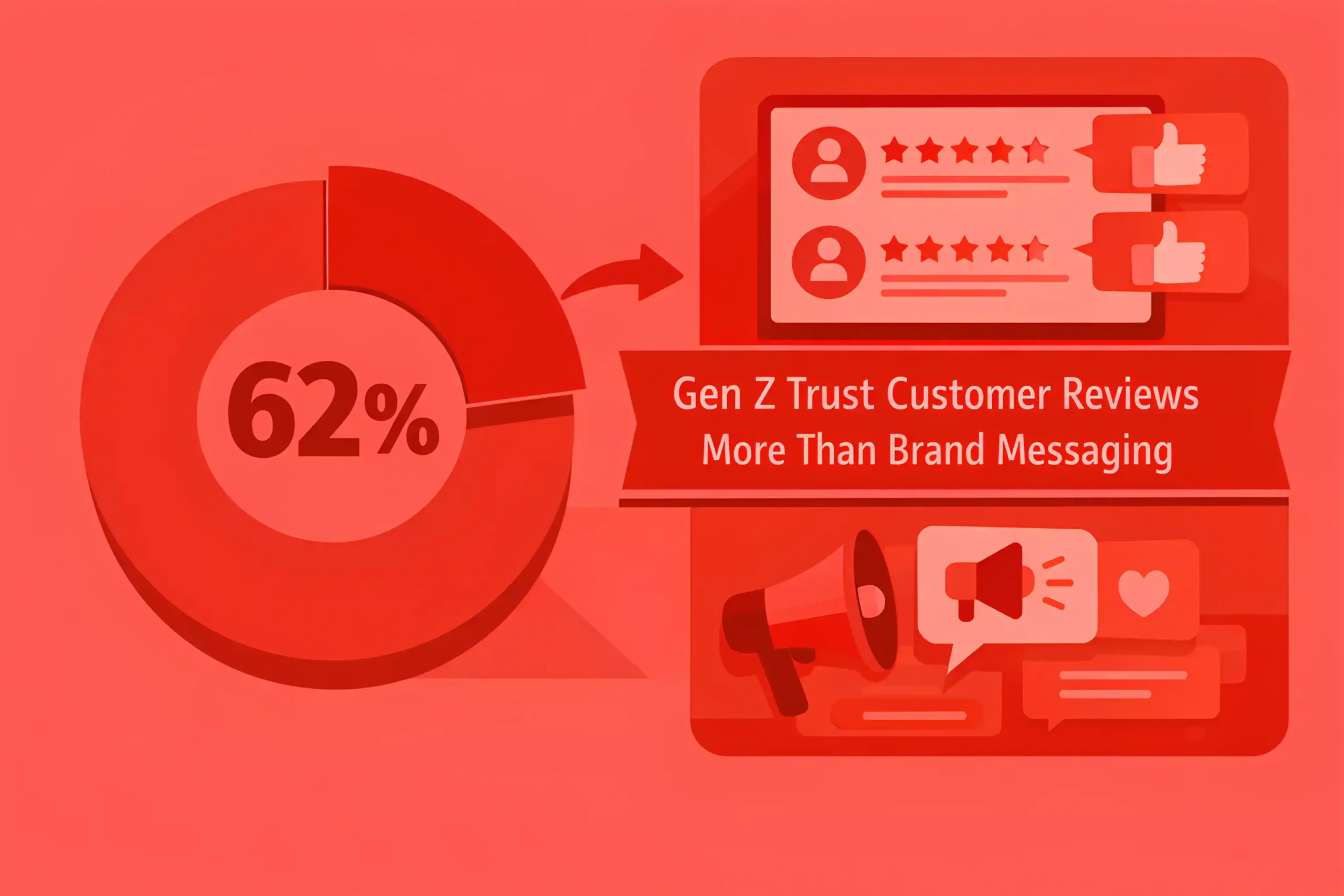
Around 62% of Gen Z trust customer reviews more than brand messaging.
About 55% of Gen Z are more likely to engage with ads that feel culturally relevant.
Roughly 49% of Gen Z say brand honesty matters more than polished creative.
Nearly 53% of Gen Z remember ads better when the message feels relatable.
Around 44% of Gen Z are more likely to click ads featuring real customers or creators.
About 57% of Gen Z say inclusive representation improves brand perception.
Roughly 46% of Gen Z trust purpose-driven campaigns only when actions match the message.
Nearly 61% of Gen Z say repeated exposure increases trust only when the creative stays relevant.
Around 52% of Gen Z respond more positively to brands that explain product value clearly, and that clarity often gets refined through CRO.
About 48% of Gen Z say overly polished ads feel less trustworthy than native-style content.
Roughly 54% of Gen Z are more likely to engage with ads that reflect everyday use cases.
Nearly 43% of Gen Z say they distrust brands that ignore comments or public feedback.
Around 59% of Gen Z associate consistency across channels with higher brand credibility.
About 50% of Gen Z say ethical sourcing or business practices strengthen purchase intent.
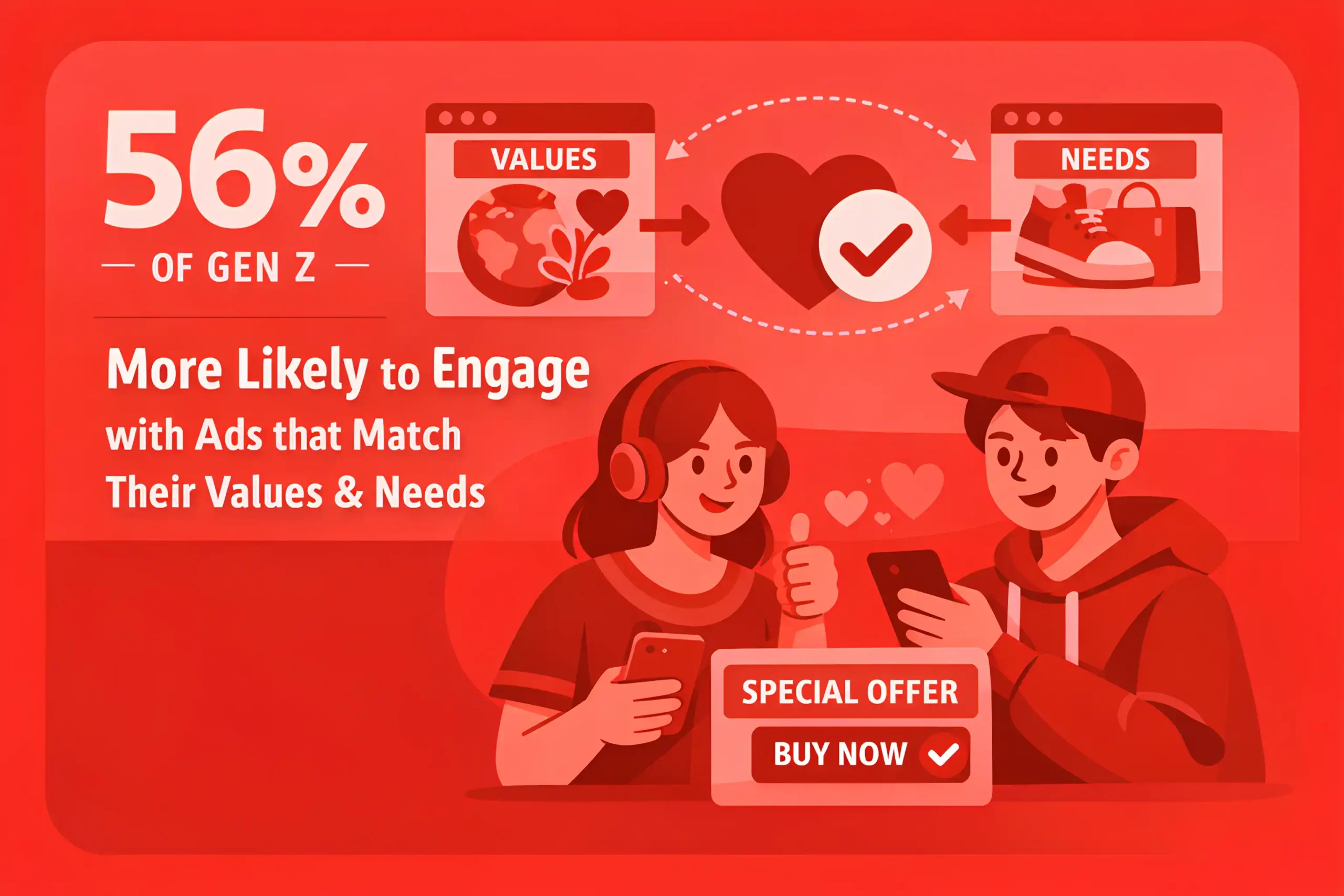
Roughly 56% of Gen Z are more likely to convert when ads align with both personal values and practical needs.
The Key Takeaways
Gen Z rewards relevance, speed, and credibility. Discovery happens through platforms, creators, and short-form content, but conversion depends on trust, clear value, and a frictionless buying experience.
Such an audience responds quickly, filters brand messages even faster, and expects content to feel native, useful, and real. Strong performance comes from combining cultural relevance, creator influence, social proof, and mobile-first execution.
Brands that win with Gen Z do not chase attention alone. They turn visibility into action by aligning message, format, and user experience with how this generation actually discovers, evaluates, and buys.